
Cracked, Broken, Chipped Tooth Repair in Dallas
Expert repair treatments that restore strength, function, and appearance.

- Relieve tooth pain
- Preserve natural tooth structure
- Reduce risk of further damage
Expert repair treatments that restore strength, function, and appearance.
A broken tooth can happen to anyone at any time. Even the strongest teeth can crack or fracture when they meet a hard candy or facial trauma from an accident. Knowing what to do and being able to act quickly could save your tooth and help your dentist restore your smile.
There are a number of ways someone’s tooth can break or chip. Here are some of the most common:
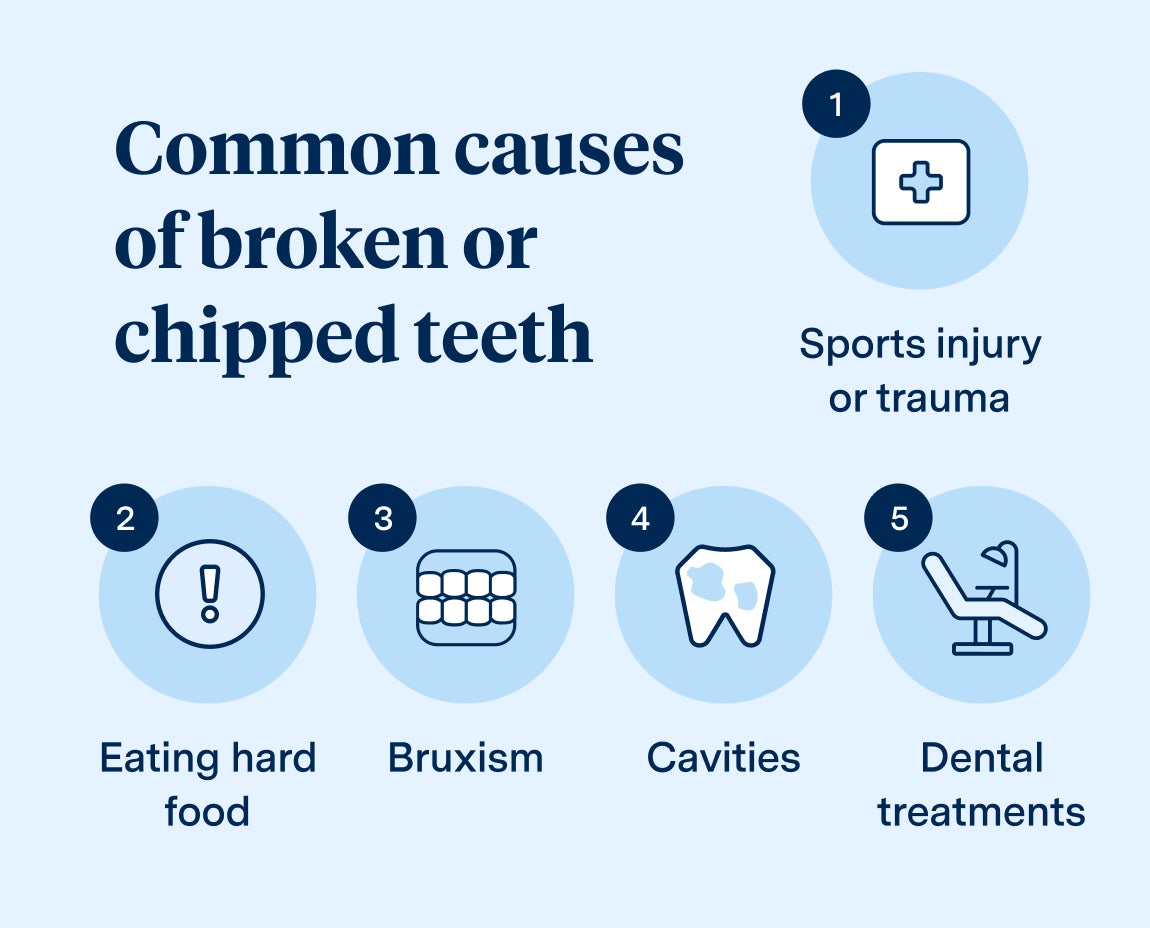
Sports injuries are a common way teeth are injured. Whether a rogue lacrosse ball hits someone in the face or a cyclist goes over the handlebars for a hard fall on pavement, sudden trauma without proper mouth protection could lead to a broken, chipped, or cracked tooth.
You may have the same eating habits for years without issue until one day, you bite into a candy and instantly know something is wrong. Hard foods, like popcorn kernels, ice, and foods with pits or bones, can cause even the strongest teeth to break. Additionally, biting nails or using your teeth as tools (such as to open bags or bottles) can damage your teeth over time.
Overtime, bruxism can lead to crazed lines. Although these are often small and undetectable, they can lead to large fractures in the future when the crack propagates.
Cavities can create holes within the teeth where the enamel and dentin, or the hard outer layers protecting teeth, erode. As decay progresses, the tooth becomes brittle and more prone to breaking or chipping under pressure, such as during chewing or bruxism. If left untreated, cavities can deepen, causing significant structural damage and increasing the likelihood of fractures.
Certain treatments, like a large dental filling, may actually increase your chances of a crack since the tooth is weakened. For this reason, some dental procedures that weaken teeth, like a filling or root canal, may also include capping the tooth with a dental crown. Dental crowns can help prevent future breaks by strengthening the tooth.
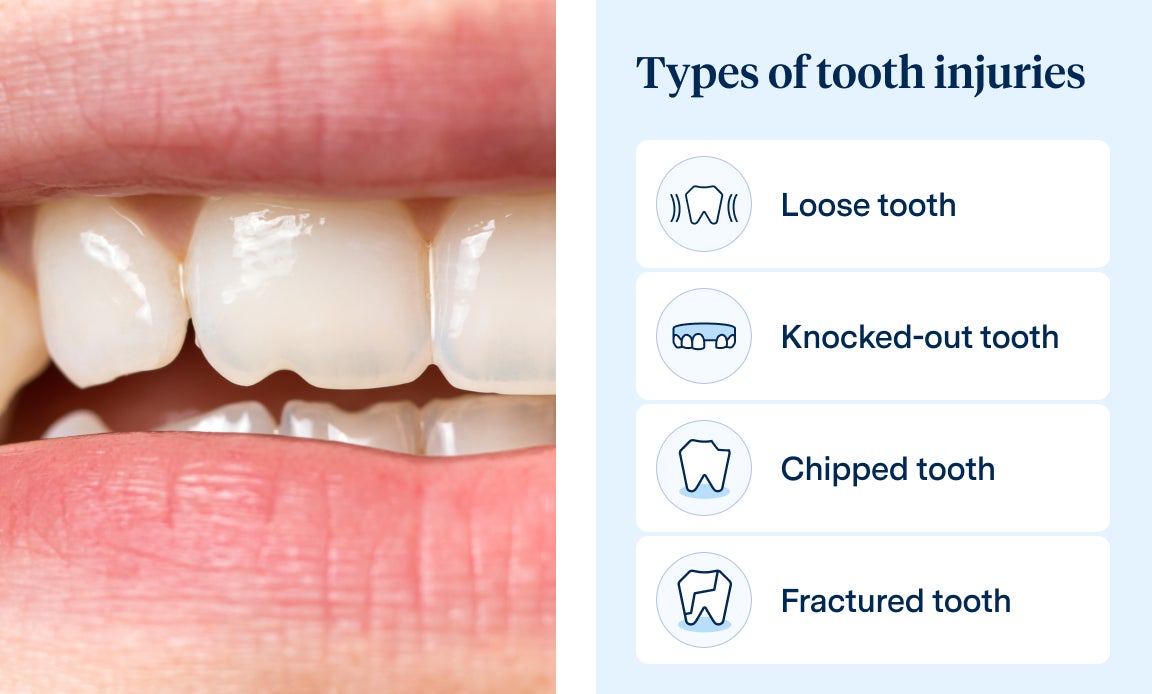
There are several types of tooth injuries you might experience, and each one will require different dental care. The most common injuries include:
Loose tooth
A loose tooth is a injury that happens when a tooth shifts in the mouth, but not so much so that it breaks or falls out. A loose tooth may resolve on its own, but it’s smart to check in with your dentist to be sure there’s not a more serious issue and that further treatment, such as splinting or a night guard, isn’t required to inhibit proper healing.
Knocked-out tooth
A tooth that fully dislodges from the mouth will need to be put back in quickly, within a few hours, to save the tooth. It’s important to seek care for a knocked-out permanent tooth as quickly as possible.
Chipped tooth
A chip in the tooth happens when a bit of enamel breaks off, which can feel like a rough edge or be a noticeable missing piece. Chips tend to be fairly painless, and they’re often not considered a dental emergency.
Fractured tooth
A fractured tooth, sometimes referred to as a cracked or broken tooth, is when a break goes down to the tooth’s pulp. A break is generally very painful. In some cases, your dentist may need to do a root canal to save the original tooth or, in many cases, extract it entirely.
If you experience a broken tooth, it’s important that you know the right action to take. Follow these steps:
Store them in a clean, dry container or milk until you reach your dentist’s office.
If you’re unable to call, have someone contact a dentist and schedule a visit right away. Emergency Dentist of Dallas Fort Worth provides urgent dental care, so you can get immediate help nearby.
Avoid brushing the damaged tooth or surrounding area if it causes pain, as this may worsen the condition.

Your dentist will assess your tooth to determine the type of break, then create a treatment plan accordingly. A minor chip will need a far less invasive treatment than a full break. Here are the most common procedures dentists use to treat a broken tooth.
Dental bonding is a non-invasive procedure used to treat minor chips and cracks. Your dentist will choose a shade of resin that closely matches your natural teeth, then mold the resin to the desired shape where your chip or crack needs to be restored. They’ll apply the resin and use a curing light to ensure it hardens against your tooth. After, they’ll polish your tooth to ensure it looks as natural as possible. Bonding tends to be a cost-effective treatment option that can last up to a decade with proper oral care.
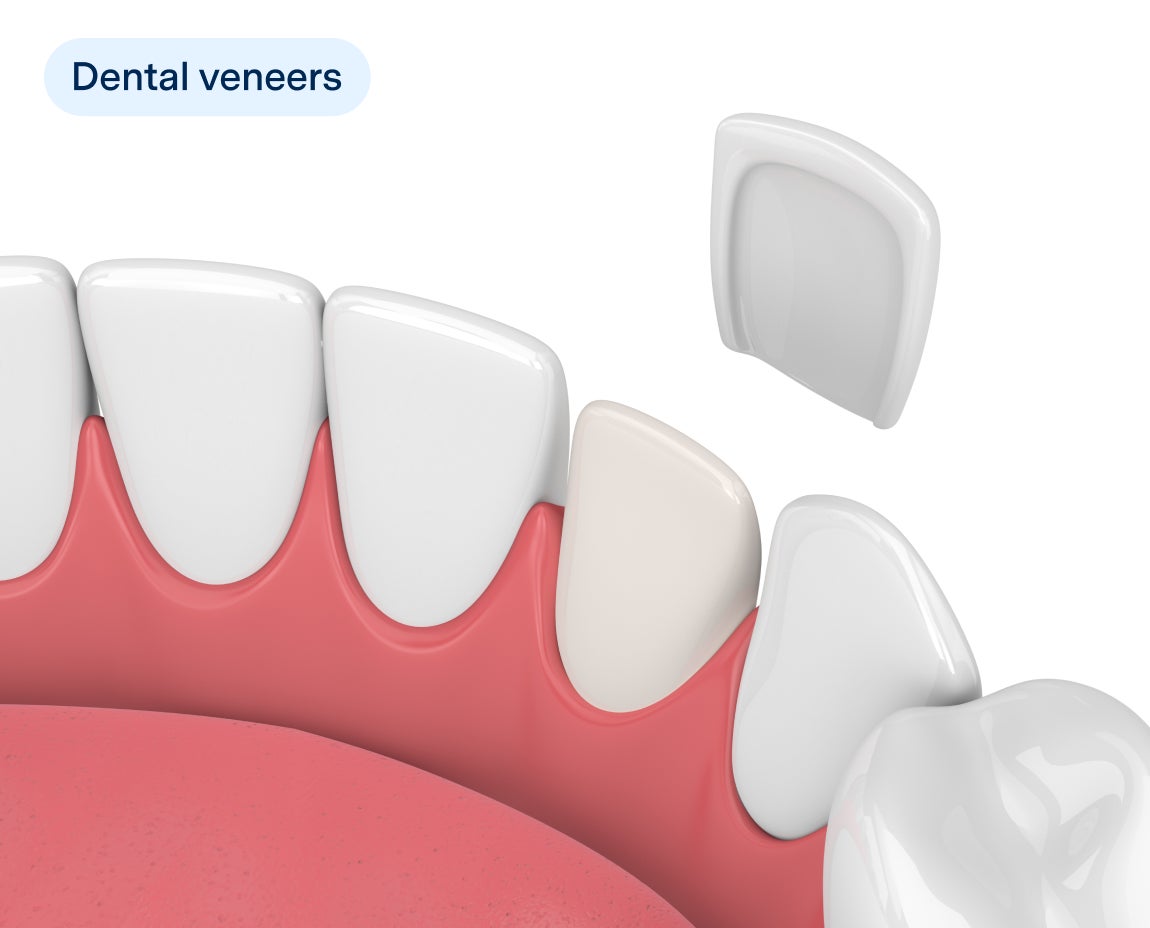
Dental veneers are a cosmetic dental solution that can cover minor chips or cracks. A veneer can be placed over the front or tip of your tooth, meaning it’s a great treatment option for cracks or chips on the front and incisal edge surfaces of teeth.
To place a veneer, your dentist will remove a bit of enamel from the front of the tooth, then bond and cure the veneer to ensure it stays put over the long term. Your dentist will then clean and polish the tooth and ensure your bite feels natural.
Veneers are a bit more costly, but they can last ten years or more depending on the material used and oral hygiene. Since veneers are considered a cosmetic procedure, they may not be covered by dental insurance plans. However, the price of veneers can vary based on the type you get and your location, so it’s best to consult your local dentist to confirm the cost for your unique dental situation.
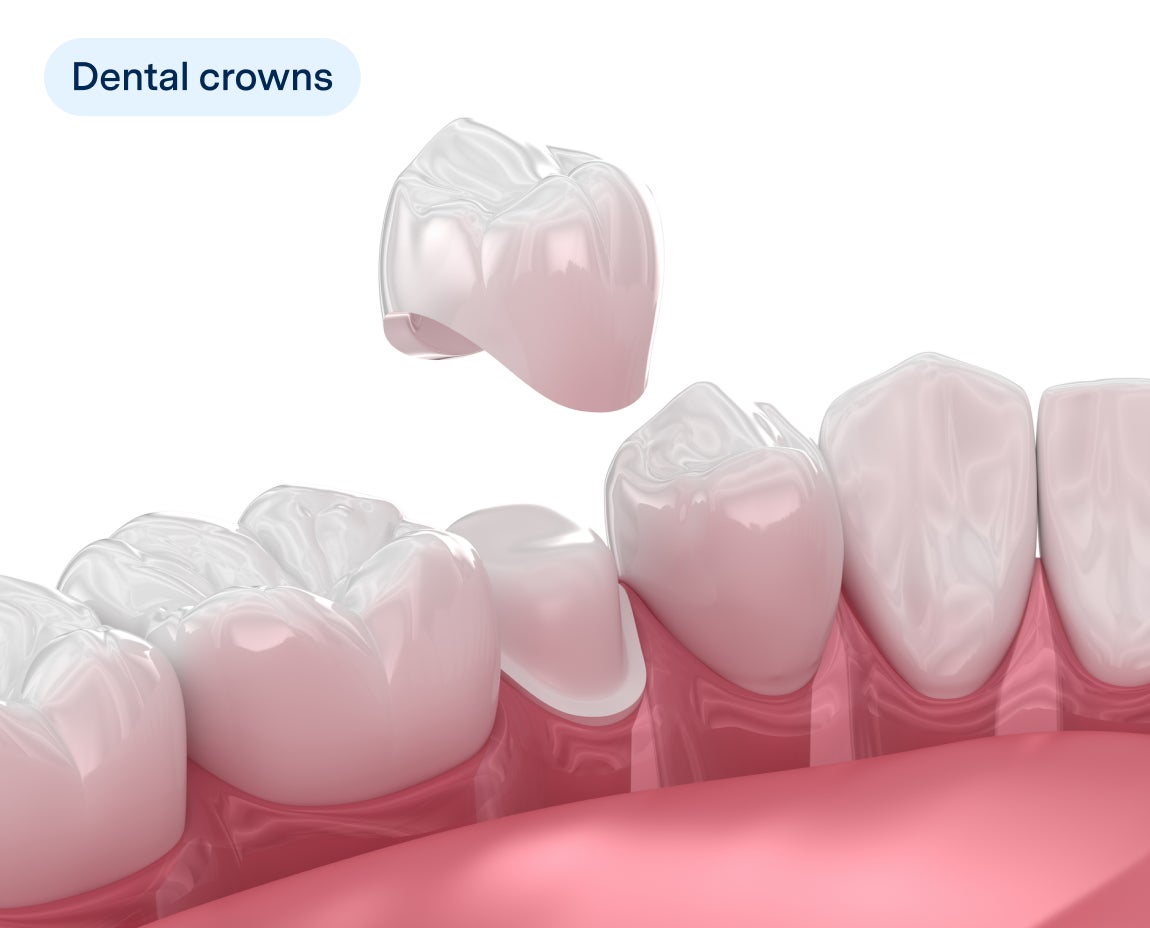
A dental crown is a full tooth covering or tooth cap that can provide support that allows you to keep your original tooth. Your dentist may suggest a crown when bonding and veneers can’t fix a break. Dental crowns can be a good option as long as the break isn’t too severe. The cost of a dental crown can vary, but crowns can last an average of 10 to 15 years with proper care.
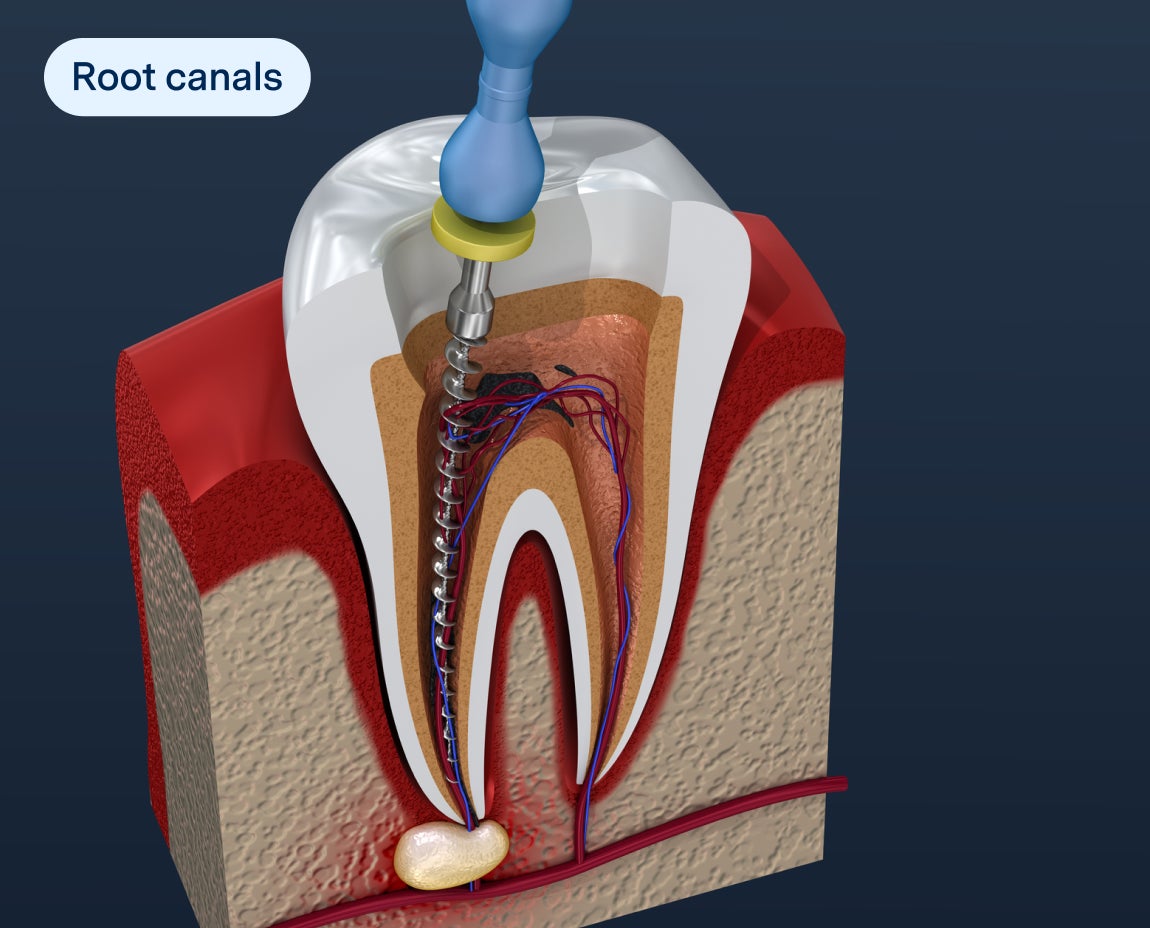
Root canal treatment may be necessary when a broken tooth exposes some of the dental pulp. During a root canal, your dentist will remove any infected dental pulp and then fill the tooth to create a stable foundation for a dental crown, if needed.
The cost of a root canal varies depending on which tooth is being treated, how much your insurance will cover, the complexity of the procedure, and any additional treatments required afterward, like a dental crown or bridge.
Dealing with a broken tooth can be painful and stressful, but fast action can prevent serious complications. Simple steps like rinsing your mouth and taking a pain reliever can reduce discomfort until you receive professional care. Visiting a Dallas emergency dentist quickly is important to determine the right treatment, whether it is bonding, veneers, crowns, or a root canal. Acting early helps relieve pain and prevents further damage, protecting your long-term oral health.
If you have a broken tooth and need urgent care, Emergency Dentist of Dallas Fort Worth is ready to help. Whether you need an emergency extraction or advanced dental treatment, our team provides fast and reliable care. Schedule your appointment or visit our Grand Prairie location for immediate assistance.
While our clinic is located in Grand Prairie, we proudly serve patients from across the Dallas Fort Worth
region. No matter where you’re coming from, you can count on us for trusted emergency dental care.